


Robe District Who's Who
Public Profile
PUBLIC PROFILE
Chaise Eden
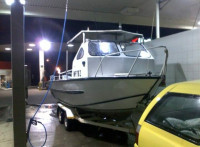
Local Resident23 foot tinny DEHAVERLEN trogen 150 Yamaha motor tandem trailer needs work 1 spring brocken and floo
This member has not added public website or social links.
Public information provided by this member.
Share this Portrait
Distinguished and Famous people from Robe District
⚓ George Ormerod
George Ormerod established his Robe shipping business in 1853 after earlier pastoral work near Naracoorte. Wool from inland stations passed through the port for overseas markets, and he acquired property around the Royal Circus, its commercial centre. His family moved into Moorakyne House in 1856, while other surviving buildings also retain his name. Business and family life thus left a visible mark on the town’s built heritage. The enterprise connected inland producers, teamsters, warehouses and shipping, helping make Robe an important outlet for the South-East’s pastoral economy. After his death in 1872, others continued the business.
📚 Julian Tenison-Woods
Julian Tenison-Woods served a wide South-East parish from Penola and was instrumental in establishing Robe’s Catholic church, completed in 1858. His association also reached beyond worship: he delivered lectures at the Robe institute, discussing subjects including human antiquity and his experiences in the bush. Priest, educator and natural-history investigator were overlapping parts of his working life. The surviving church and records of those lectures preserve different sides of the same man. Robe was one of the communities where he brought religious duties and a lively interest in scientific and historical questions to local audiences.
⛵ Nicolas Baudin and Matthew Flinders
Nicolas Baudin and Matthew Flinders visited the coast around Guichen Bay in 1802, long before the colonial port of Robe developed. Baudin initially named the bay for albatrosses; the later French naming honoured the Comte de Guichen. Robe commemorates both navigators with bronze sculptures at the Royal Circus. Their association is a coastal surveying visit, rather than residence in a town that did not yet exist. The European charts added another layer of names to a coastline already known and occupied by Aboriginal people.
